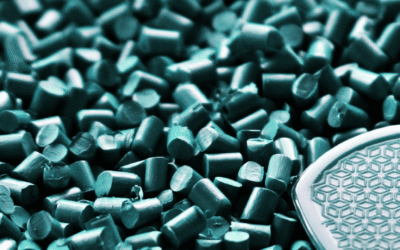
When it comes to the world of plastics and polymers, precision matters. From everyday items like water bottles to high-performance materials used in aerospace, the quality and consistency of polymers directly impacts their functionality. One often overlooked but critical aspect of polymer production is Nitrogen testing.
Nitrogen is a fundamental element found in many polymer compounds. Its presence can significantly influence the properties of the final plastic product. The right balance of Nitrogen can make all the difference in whether a final product turns out the way it was intended. Why? Accurate Nitrogen measurement ensures that the desired chemical reactions occur. Too much Nitrogen, or too little, would change the reactions that occur, resulting in poorer and inconsistent quality of products. It is pertinent for manufacturers to utilize Nitrogen testing for quality assurance, but also to specifically fine-tune material properties.
Nitrogen-based additives play diverse roles in polymers. They act as stabilizers, plasticizers, and chain transfer agents. By adjusting Nitrogen levels, manufacturers can change the properties of a material. For example, a Nitrogen-rich polymer may be more flame-resistant, while a Nitrogen-poor one may be more flexible. The balance between strength, flexibility, and other characteristics hinges on precise Nitrogen determination.
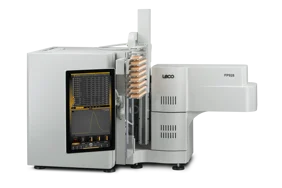
With the quality, consistency, and functionality of a product on the line, it’s important that precise and accurate measurements are taken. This is where modern analytical techniques come to the rescue. LECO’s FP928 is a Nitrogen determinator that utilizes an automated combustion method to provide rapid results that are accurate and precise. Unlike the Kjeldahl method, sample prep for this method (Dumas) is simple and the use of hazardous materials is eliminated. So, not only are you getting precise results, but you’re also saving time and increasing your lab’s safety. Over time, these benefits prove to be cost effective as well. By leveraging elemental analyzers like the FP928, manufacturers can optimize production processes, maintain quality, and innovate with confidence.
Fill out the form below for access to an Application Note that demonstrates how LECO’s FP928 accurately determines Nitrogen levels in plastics. Also, be on the lookout for a second post coming soon that shines a light on polymer additive testing and LECO’s solutions for manufacturers.